


As a motorsports and sustainability journalist, I had the privilege of attending Round 13-14 of the Formula E 2023 season in Rome.
The excitement of witnessing thrilling races was undeniable, but the low spectator turnout due to extreme heat brought to light the pressing need for motorsport race calendars to consider weather conditions and sustainable logistics.
In this analysis, I will share my personal experience and insights on why these factors are crucial for ensuring an optimal fan experience while also addressing the challenges posed by climate change.

Image: Jaguar TCS Racing
In recent years, the motorsport industry has witnessed the effects of climate change, leading to extreme weather conditions that impact not only the racing itself but also the fan experiences.
Examples include the 2021 Belgian Grand Prix which was not officially canceled, although it should have been. Spectators endured a three-hour wait in the pitlane as heavy rain persisted. A more recent example is the 2023 Emilia Romagna Grand Prix, which was canceled due to heavy rainfall and devastating flooding in the region. The severe weather conditions have led to the evacuation of numerous residents from their homes. The Imola circuit has not been spared, as floodwaters have inundated the area, submerging television tents and sections of the paddock, as depicted in images.
These are just two of the races that I could think of at the top of my head where extreme weather conditions hindered racing. However, just because the race is not canceled, it doesn’t mean that the organization doesn’t get affected by weather conditions. Last week, the Rome E-Prix served as a vivid example of the importance of considering weather conditions while planning race calendars.
My Reflections on the Rome E-Prix
Arriving at the Rome E-Prix, I was eager to witness the intense competition among the electric racing machines. However, it quickly became apparent that Mother Nature had other plans for the event. A relentless heatwave gripped the city, prompting the government to issue a warning for everyone to stay indoors. Despite the organizers’ best efforts to keep spectators cool with hand fans, hats, and refillable cups, the heat proved to be a formidable adversary.
The extreme heat had an undeniable effect on the level of fan engagement and participation. The absence of canopies above grandstands and inadequate air conditioning in the fan village resulted in some fans seeking refuge elsewhere. As a result, the participation of international attendees was notably lower than almost all Formula E-Prix that I have seen, especially compared to the likes of Berlin. The bustling energy and vibrancy that I experienced in Berlin were somewhat missing in Rome due to the challenging weather conditions.
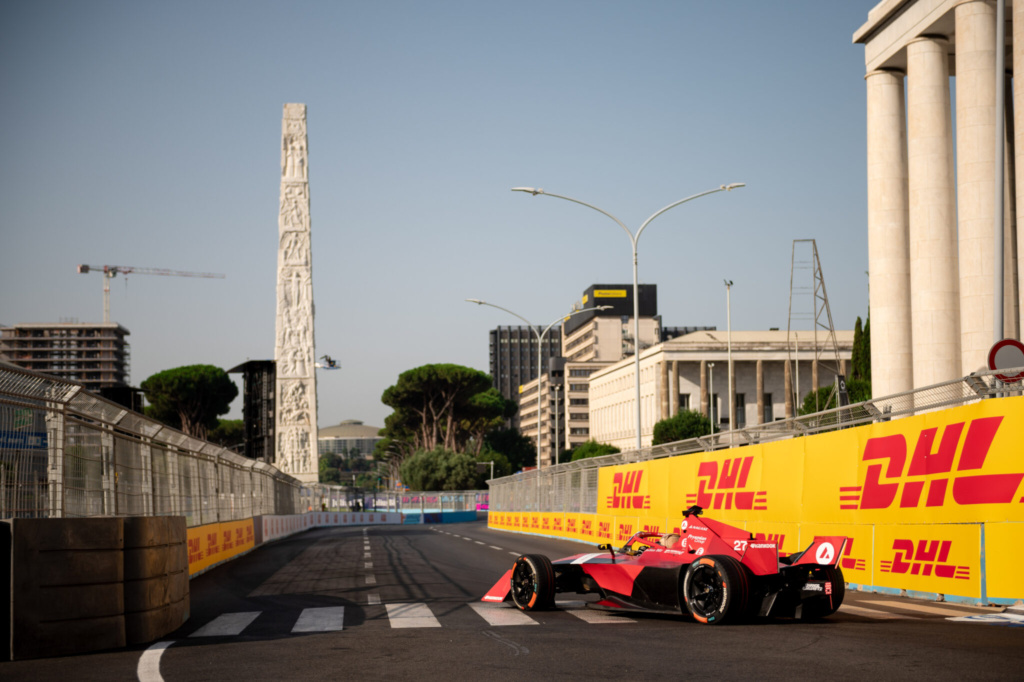
Image: Andretti Autosport
Despite the weather-induced challenges, the racing itself was nothing short of captivating. The talented drivers showcased their skills as they navigated the streets of Rome in their electric racing cars, leaving fans on the edge of their seats. As a motorsport enthusiast, I found myself engrossed in the thrilling battles for positions and the unpredictable outcomes of each race, especially with the massive crash that happened on Saturday.
Climate-Conscious Planning for Enhanced Fan Experience
My experience at the Rome E-Prix reinforced the importance of considering weather conditions during race calendar scheduling. Motorsport events should take into account potential weather challenges to ensure the optimal fan experience. Canopies above grandstands could have provided much-needed shade and protection from the relentless sun, creating a more comfortable viewing environment.
Similarly, improved air conditioning and cooling stations in the fan village would have encouraged fans to remain engaged throughout the event.
By embracing weather forecasts in race calendar planning, organizers can steer clear of extreme weather conditions that might discourage fans. Proactive scheduling adjustments allow for a more enjoyable and comfortable fan experience, ensuring they can fully immerse themselves in the excitement of motorsport events.
Additionally, monitoring long-term climate trends aids in making informed decisions about hosting races in regions that may be susceptible to adverse weather, fostering a climate-conscious approach to motorsport scheduling.
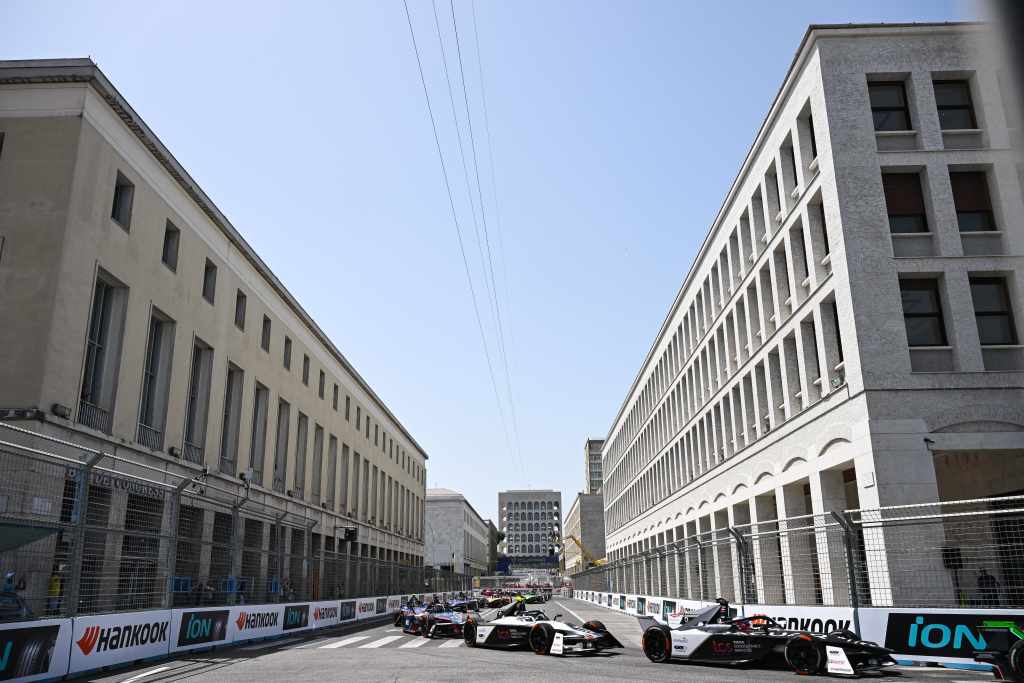
Image: Jaguar TCS Racing
We Need to Act Now
As the effects of global warming intensify in the upcoming years, weather conditions will play an increasingly significant role in shaping fan engagement at motorsport events. Rising temperatures, more frequent heat waves, and extreme weather events pose real challenges for organizers. Failure to take action now could lead to declining fan participation and compromised fan experiences.
Embracing climate-conscious decisions and investing in weather-resilient infrastructure will not only enhance the spectator experience but also showcase a commitment to mitigating the impacts of climate change.
The Rome E-Prix 2023 serves as a stark reminder of the importance of prioritizing fan comfort and well-being to maintain the sport’s popularity while also aligning with the pressing need to mitigate climate change.
The time to act is now; waiting until it’s too late could jeopardize the future of our beloved sport as we know it.
 Author: Öykü Ceylan

More from Editor Picks

What Are The Best Driving Films Ever Made?
What Are The Best Driving Films Ever Made? From legendary motorsport epics to unforgettable car chases and cult classics, these are …

GWM Poer 300 Review
The GWM Poer 300 behemoth is a true contender for the pick-up class. Introduction The influx of Chinese car manufacturers to both …

GWM Haval Jolion Pro Review
Is the GWM Haval Jolion Pro good enough to be the cheap and cheerful kid on the block? Introduction Unlike so many …


