


Could the new 2022 cars really dethrone Mercedes and Red Bull?
Formula 1 is heading into its self-proclaimed new era in only a few weeks time, one where it claims to have shifted the philosophy of technical regulation shaping to that of attempting to actively improve racing.
The new and more prescriptive regulations have been designed to improve raceability and the sheer likelihood of an overtake happening, whilst improving certain safety aspects for the drivers and spectators besides.
The reintroduction of the previously banned ground effect floors is the most crucial aspect from a performance point of view, alongside heavily reworked body shapes through the entire length of the car.
Ground effect makes its return to F1 after an absence of 39 years since it was outlawed in 1983. Colin Chapman and Lotus pioneered a movable side-skirt solution which kept hidden tunnels underneath the car sealed for as much of a lap as possible.
The effect is utilised slightly differently in 2022 in that there are no skirts, instead Venturi tunnels retain a significant negative pressure of their own making. What this means is that F1 can remove the complex winglets and strakes which contributed so dramatically to the wake produced by the entirety of the car, without hugely impacting the cars’ spectacular cornering capabilities.
Formula 1’s working group stated that the previous generation of cars would lose up to 47% of their downforce when one car length behind another driver. The new rules however promise to reduce this figure to as little as 18%, so in theory we’ll see a dramatic improvement in racing throughout the field from the very first race.
However a phenomenon that the sport has seen on multiple occasions almost certainly means that this won’t be the case, at least not yet.
Any hefty technical regulation change always introduces brand new philosophies and brand new ‘loopholes’ in the rulebook. Who can forget another significant aerodynamic overhaul in 2009 which led to the Honda-designed Brawn BGP001 dominate the first half of the season, with many attributing their success to the double diffuser loophole which Williams and Toyota also took advantage of.
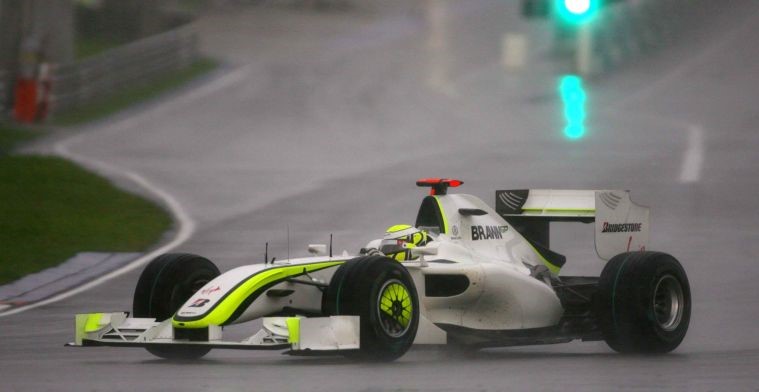 Image: gpblog
When the V6 Turbo Hybrid power units were introduced in 2014, it became obvious in pre-season testing that the Mercedes powered teams had a frightening advantage over the Ferrari and Renault runners.
Mercedes would go on to win 51 of the next 59 races over the next three years with Lewis Hamilton and Nico Rosberg, who could often afford to battle hard out front without worrying about any threat from behind.
There was frustration amongst paddock-goers and fans alike as Red Bull and Sebastian Vettel’s seemingly incredible run of unbeatable domination of the sport had been replaced by Mercedes’ even greater domination.
History often repeats itself in F1, and even though the regulations are admittedly tighter than they’ve ever been, one team usually breaks away through an unexpected innovation from an overlooked area of the rulebook.
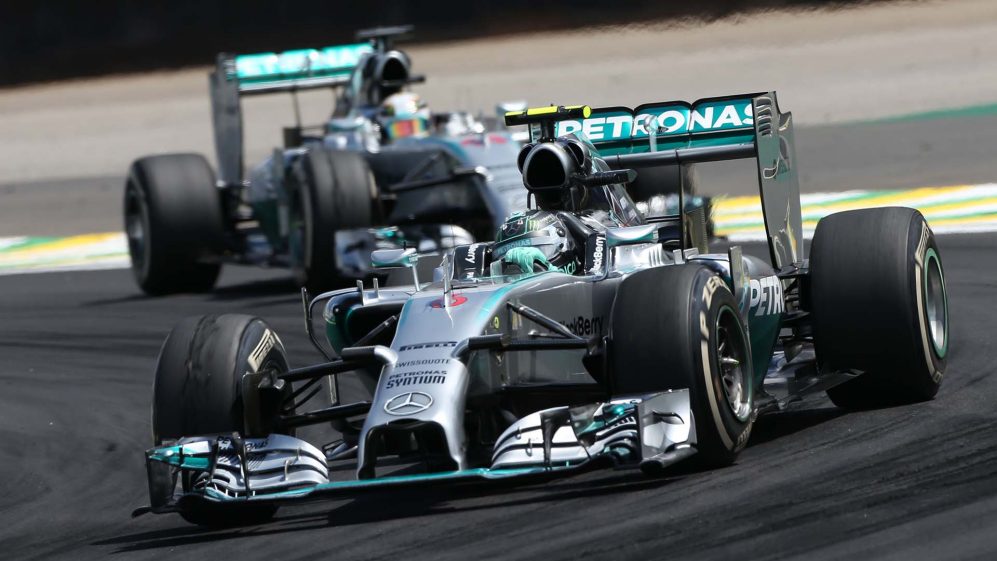 Image: Formula 1
Any team could be susceptible to this regardless of budget or heritage. Having said that of course the larger teams with greater resources at their disposal will naturally be more likely to discover something ground-breaking or simply adapt more sufficiently to the changes.
Mercedes’ Chief Technical Officer recently spoke on what fans should expect this coming year, and surprisingly expects others to fall down the wrong development path.
“We’ll all get to find out together at the start of the season and in the races that unfold from there exactly how [it] shakes out, but I would imagine given that the cars are so new and so different, that one or two cars on the grid will have got it really badly wrong and that they will have a terribly painful year.
“I would imagine that all of us to some degree will have left things on the table that we just didn’t anticipate, and we’ll look at other cars and think ‘oh why didn’t we think of that’.
“Then we’ll be scrabbling around to try and get that idea onto our car as fast as possible so that we can claw our way forwards, or if we’re lucky enough to be in front, to keep the attacking wolves behind us.”
Usually in the weeks, months or years following a regulatory reset, teams will cherry-pick and clone parts of their competitors’ machinery, which will close up the field from a lap time standpoint but, depending on the component, may increase the ‘dirty air’ produced by the car – harming the racing.
As a matter of course, aerodynamic components developed and fitted to an F1 car are primarily there to either increase downforce, or assist other parts in increasing the downforce.
Mercedes, Red Bull and Ferrari all tactically saved up their development tokens which were intended to be used last year, so it would be foolish to expect a shake-up large enough to derail their form, but it’s always a possibility.
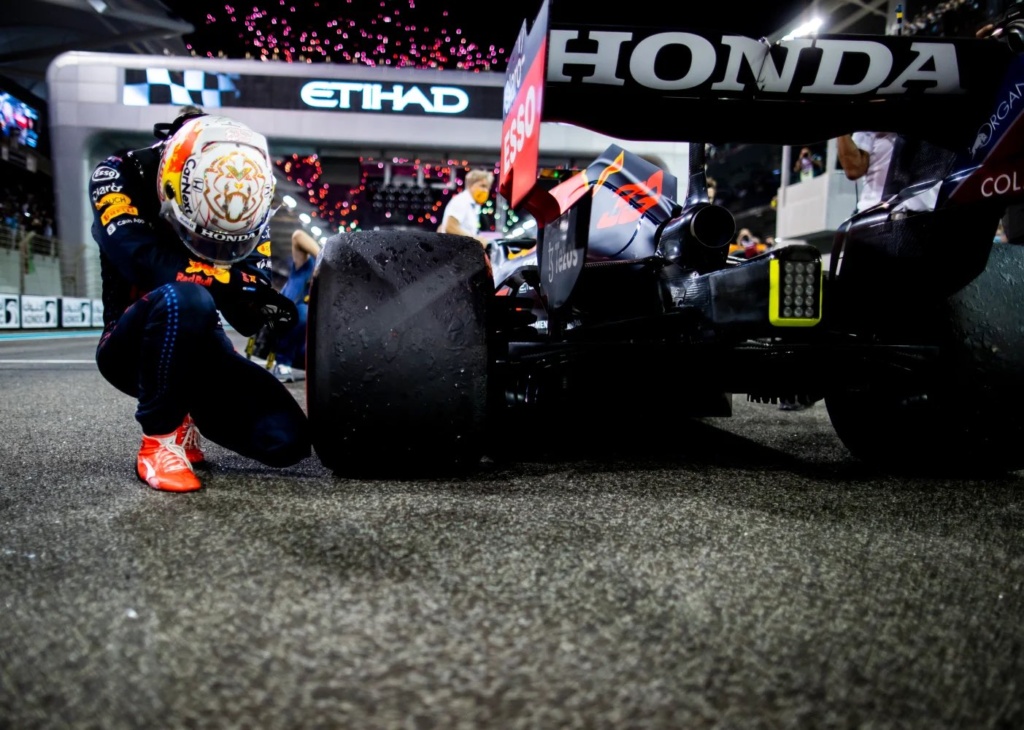 Image: Red Bull Racing
The previous rule change case studies have taught us that if the likes of Honda (as Brawn) in 2009, and Williams in 2014 could jump from backmarker status to frequent race win challengers, then anyone is capable of similar this time around – especially with the budget cap and wind tunnel restrictions in full flow.
Those that finished lower in the championship in 2020 and 2021, like Haas and Williams, enjoyed far more aerodynamic development time for the 2022 cars than anyone else. That on its own will have an increasing effect in closing up the field over the next few seasons.
Fuelled by this knowledge, many of the teams lower down the grid will have had 2022 in their sights for many years before now – shifting their employees’ priorities onto 2022 development programmes as early as possible depending on how high a sacrifice the team could afford in the short term.
Obviously anything can happen in the 2022 edition of Formula 1, but what is almost guaranteed is that the raceability element, which links so closely to the closing up of the order, will not be at the promised level numbers-wise. Teams have had time to create downforce in ways that Pat Symonds’ small F1 working group will not have noticed, especially given the increase in time to think about the rule set with the delay in their introduction caused by the pandemic.
There is the potential for the competitive order to be shuffled, but by how much won’t be known until the season gets underway. Mercedes and Red Bull will both be determined to stay up at the sharp end of the order, but for those who hope for the opposite, if there was a time most likely to dismantle the former’s command or the latter’s resurgence, that time is undeniably now.
 Author: Danny Herbert

More from Danny Herbert
The Behind The Scenes Disagreement Between F1 Bosses In Canada
Formula 1 teams are entangled in yet another technical controversy which unsurprisingly reared its head on the Canadian Grand Prix …
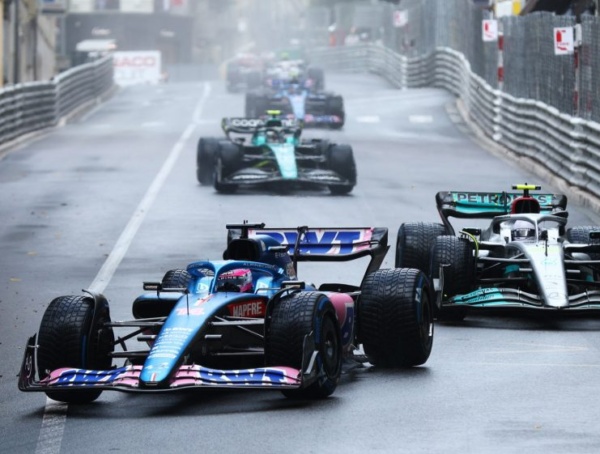
Will F1’s Elder Statesmen Stick Around?
Age and experience brings wisdom and intuition, yet in Formula 1 it’s the young blood which is taking over the …
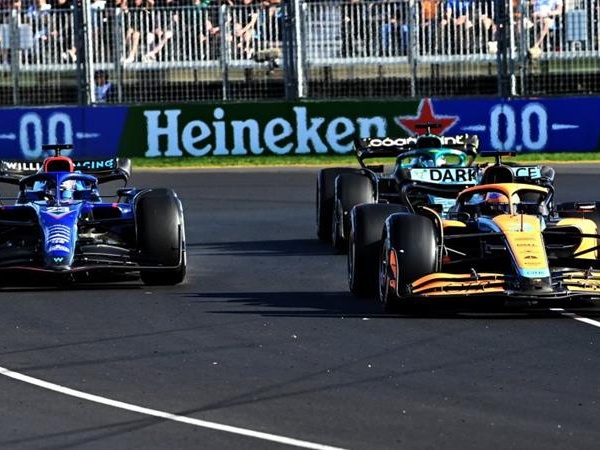
Why Are F1 Teams Removing Paint From Their Cars?
Formula 1 teams are facing all-new technical challenges this season, with innovative solutions required to gain a competitive advantage over …


